My Role
Design Director: My responsibilities included leading strategy, stakeholder alignment, design principles, usability testing, and product outcomes. Managed design team (1 lead designer on replatforming + supporting designers), partnered with engineering, compliance, and business stakeholders.
Context & Problem
The platform change presented an opportunity to improve the customer-facing self-service experience, but stakeholders had different priorities, and the business needed a clear, executable plan.
Customer pain: after submitting a digital dispute, users didn’t know what to expect next and averaged ~3 support calls per dispute (initially calling immediately after submission and again for status updates).
Objectives
- Align stakeholders on a unified customer experience and a prioritized roadmap.
- Reduce call center volume by improving self-service clarity and status transparency.
- Rebuild the digital dispute flow to enable customers to complete disputes confidently, eliminating the need for follow-up calls.
- Integrate required legal/compliance content without overwhelming users.
Approach
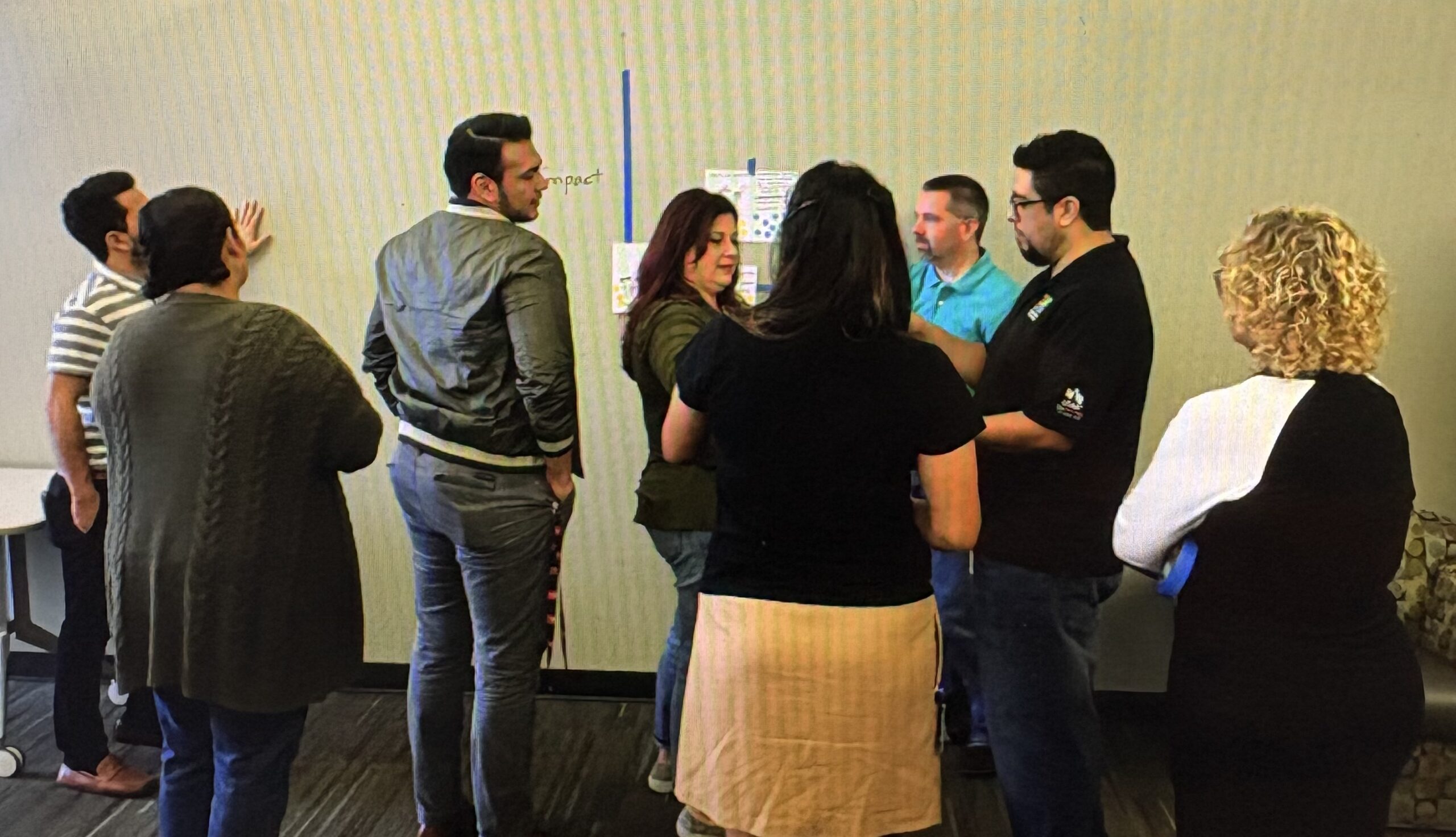
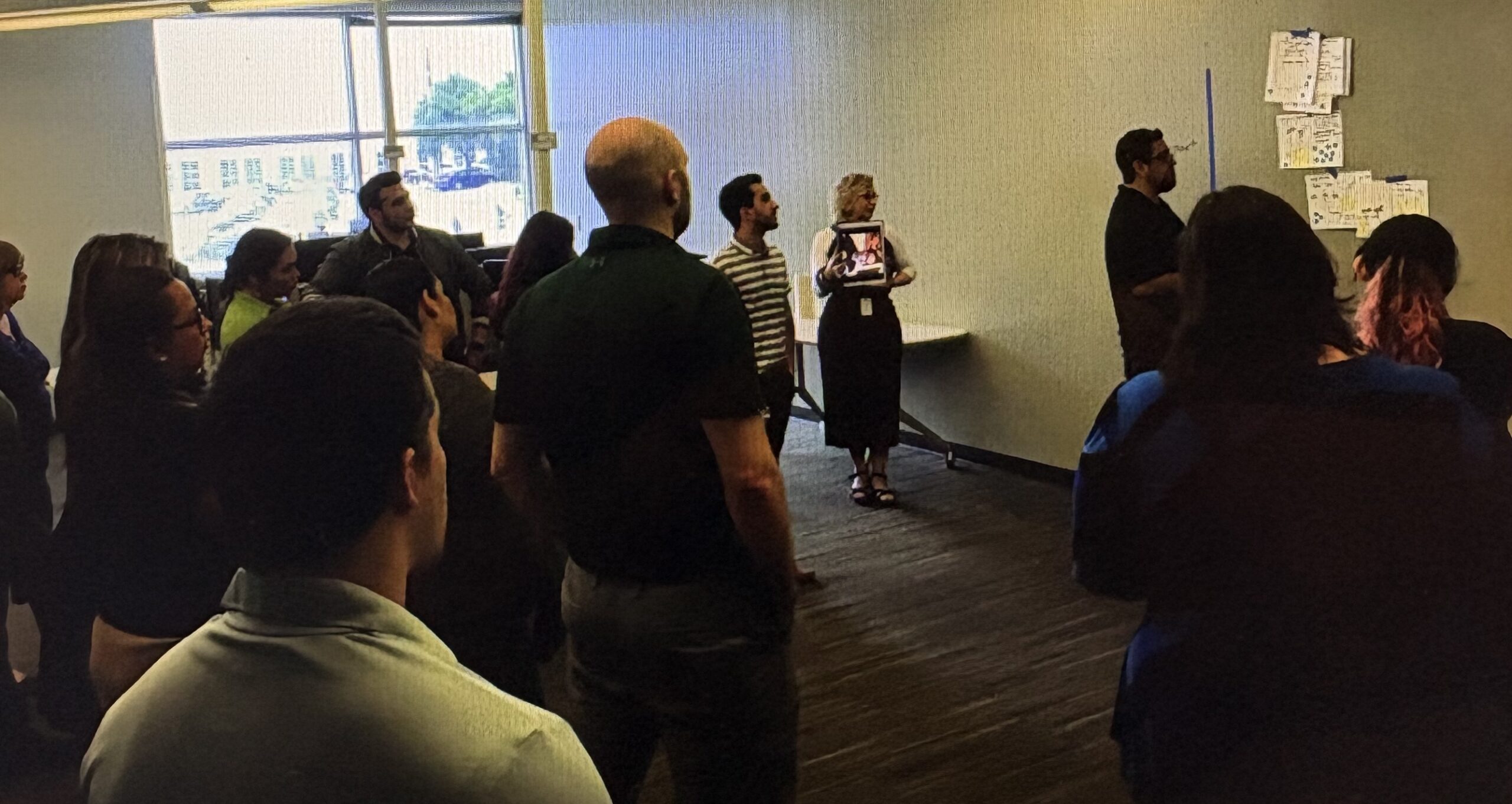
- Stakeholder alignment workshop
- Ran a human-centered design workshop to surface perspectives, empathize with customers, and prioritize outcomes.
- Outcome: shared vision, prioritized roadmap, and a single definition of success that replaced many recurring status meetings.
- Parallel execution
- One designer partnered tightly with engineers to replatform backend systems for compliance.
- The design team focused on the front-end customer journey, aligning it with the workshop roadmap.
- Quick win: improve Dispute Status Tracker
- Expanded the tracker to include more transaction types and richer status information, enabling users to understand next steps and timelines better.
- Research-driven redesign
- Consulted digital business partners and analyzed customer behaviors.
- Synthesized insights into three guiding design principles: Care, Clarity, and Confidence.
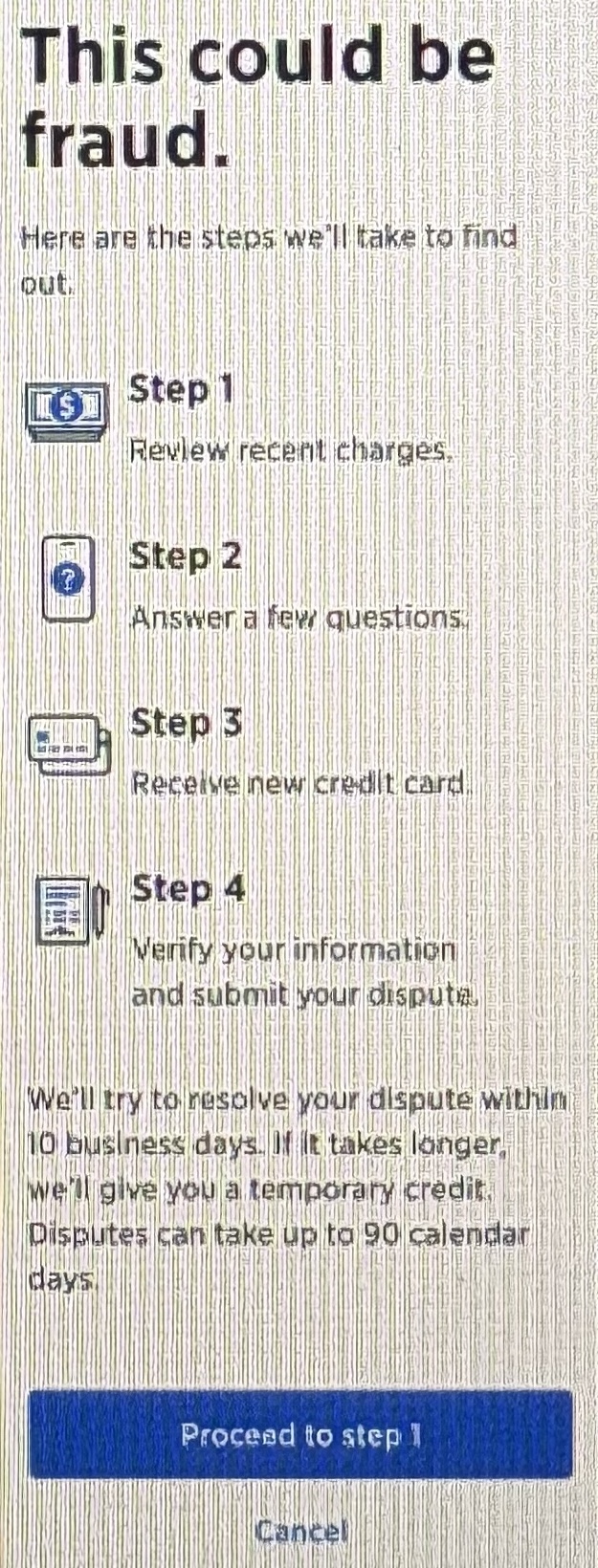
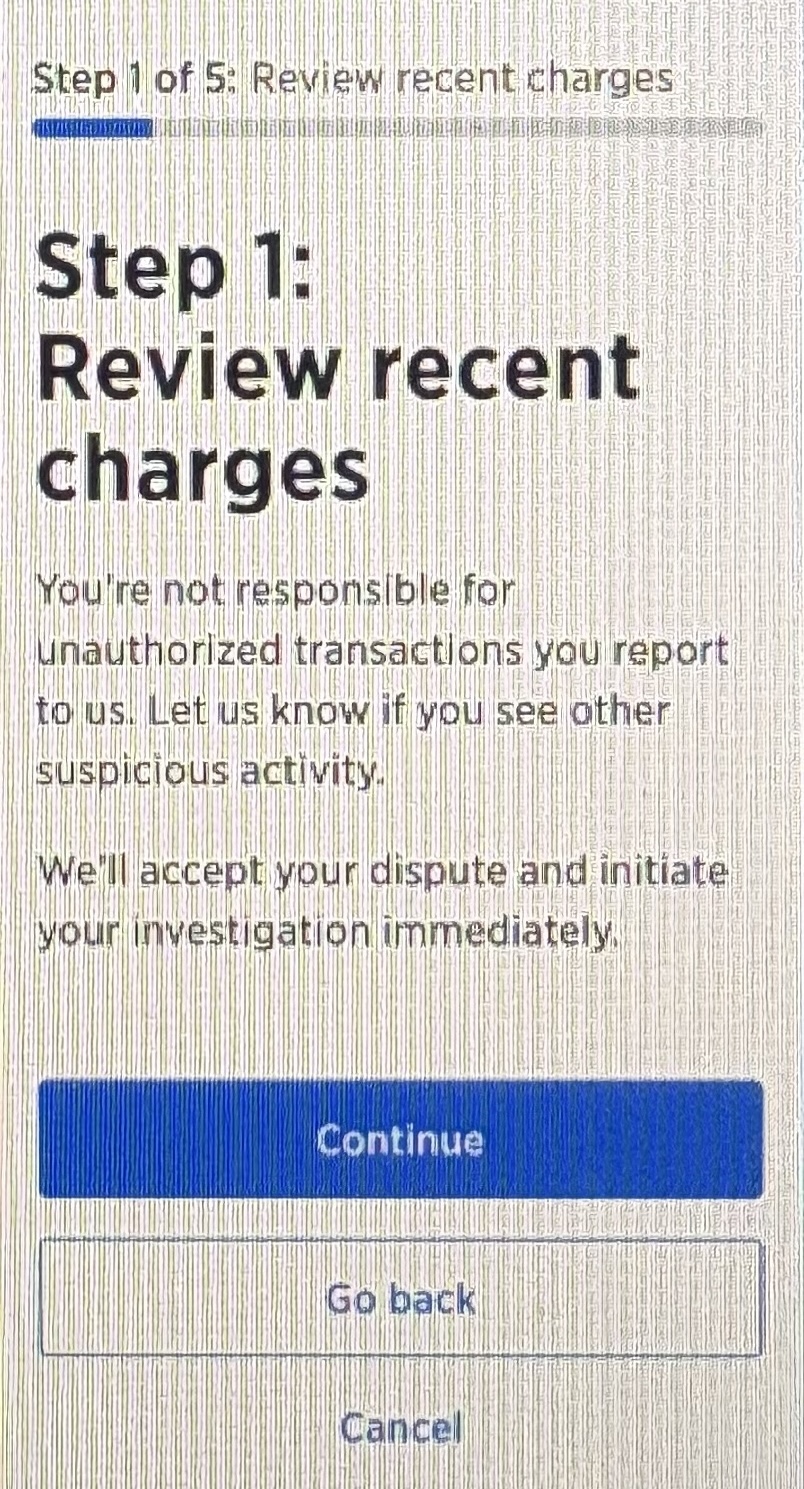
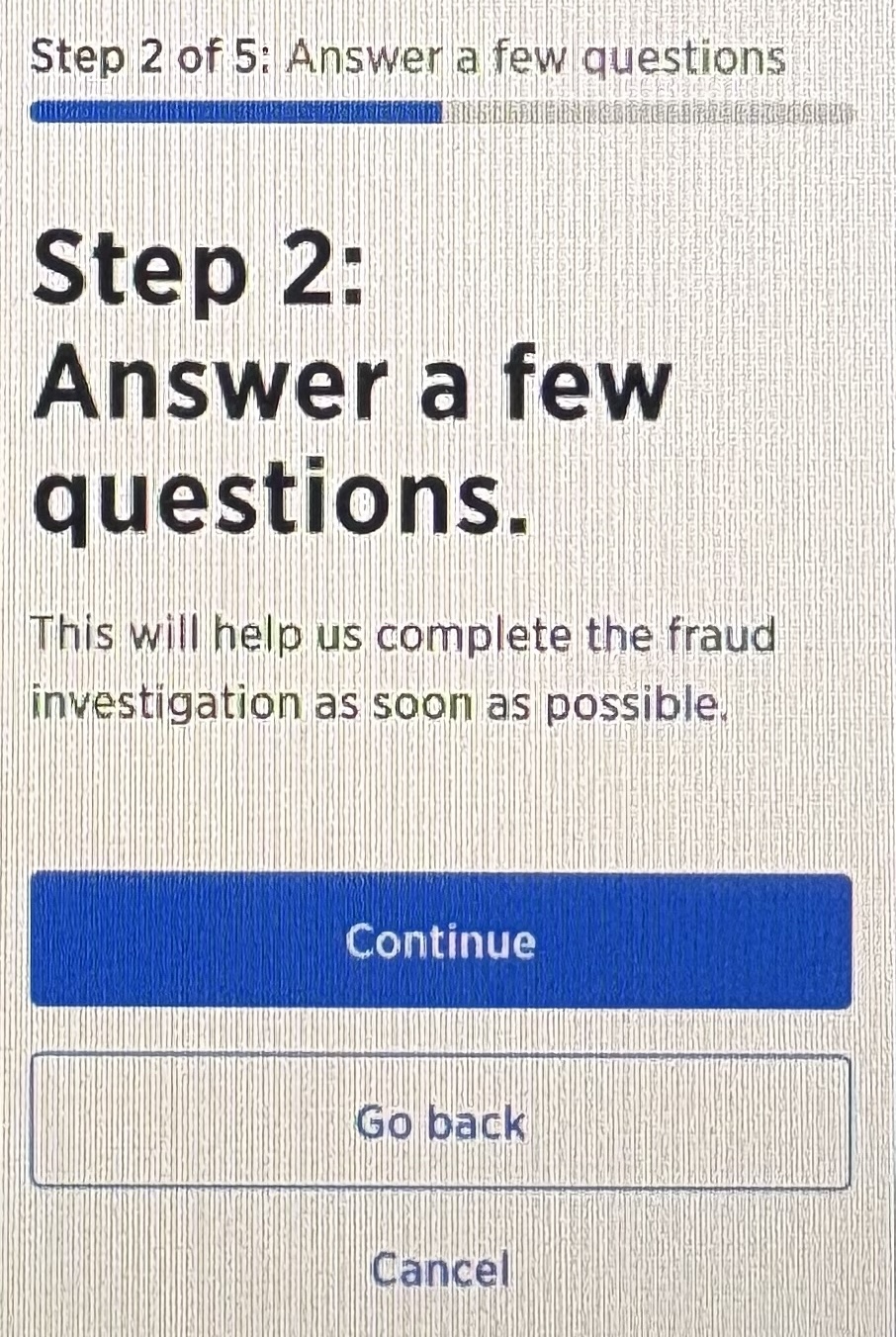
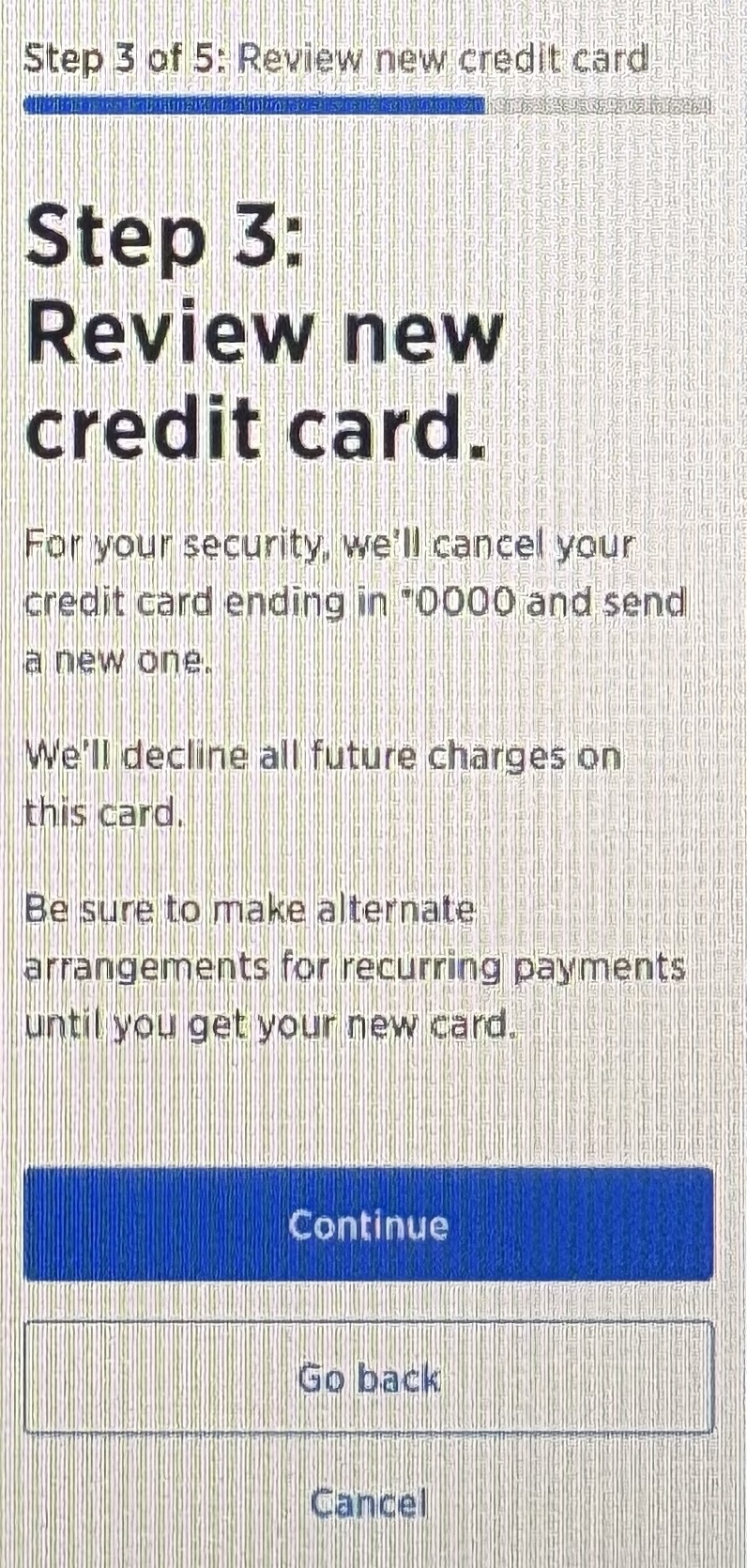
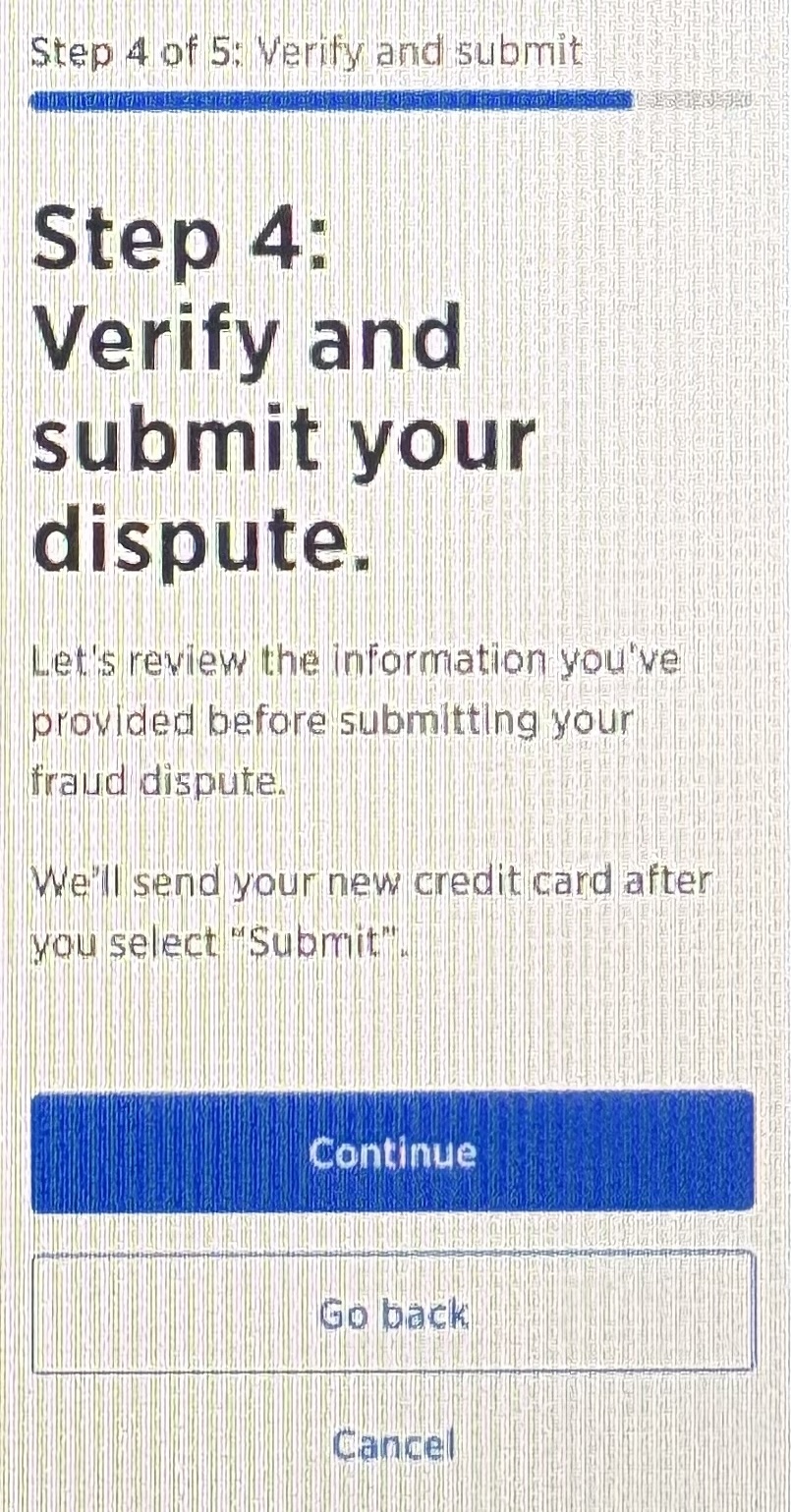
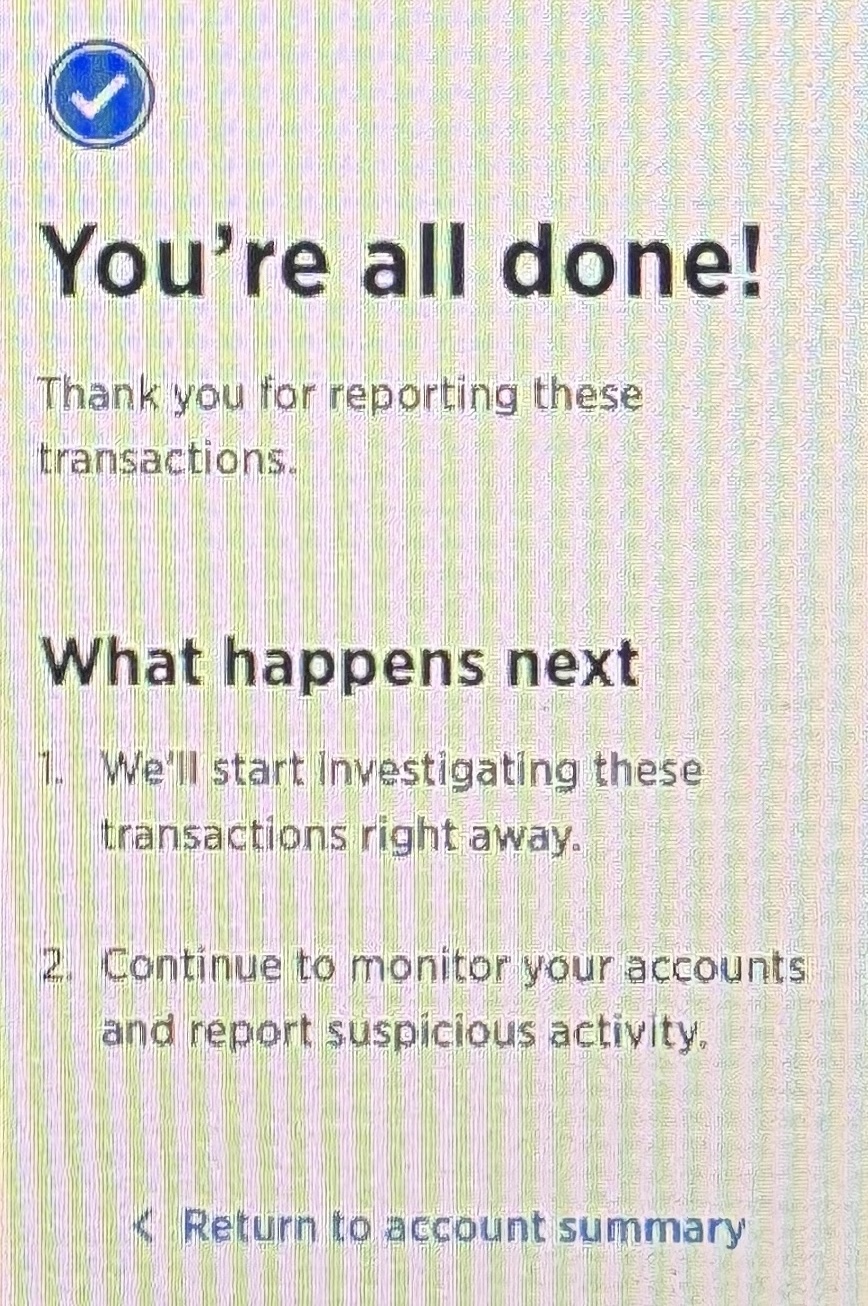
- Redesigned the flow into simplified, discrete steps; integrated compliance/legal content contextually so it informed without overwhelming.
- Iterative validation
- Conducted usability testing in waves; used qualitative feedback + task success metrics to iterate.
Key Design Principles
- Care: acknowledge disruption and show empathy through tone and guidance.
- Clarity: make next steps, responsibilities, and timelines explicit.
- Confidence: provide evidence and confirmations so users trust the outcome and feel supported.
My Contributions
- Designed and facilitated the stakeholder workshop to achieve alignment and a prioritized roadmap.
- Helped define the product success criteria and mapped the customer journey.
- Led the formulation of Care, Clarity, and Confidence principles and translated them into screens, microcopy, and interaction patterns.
- Oversaw iterative usability testing and incorporated findings into revisions.
- Coordinated design collaboration with engineers working on the replatform.
Tools & Methods
- Workshop facilitation, journey mapping, design principles, low-to-high fidelity prototyping, moderated usability testing, iterative A/B-style validation, and engineering collaboration.
Results & Impact
- Immediate improvement: Enhancements to the Dispute Status Tracker reduced average calls per dispute from ~3 to <2.
- Flow redesign usability: initial testing showed more than 75% improvement in customer feedback metrics; only 30% of participants said they would call after completing the new flow.
- Continued iterations achieved more than 95% comprehension — users understood the actions they took and reported the experience as easy and trustworthy.
- Operational benefit: the workshop-driven roadmap reduced cross-functional meeting overhead and enabled focused execution.
Lessons & Takeaways
Parallel workstreams (replatform + customer experience) are feasible with a strong shared roadmap and tight cross-functional collaboration.
Early alignment via human-centered workshops prevents costly rework and reduces meeting overhead.
Minor, focused improvements (status visibility) can deliver fast, measurable operational impact while larger redesigns are in progress.
Clear, empathy-led design principles enable compliance content to be integrated without diminishing usability.